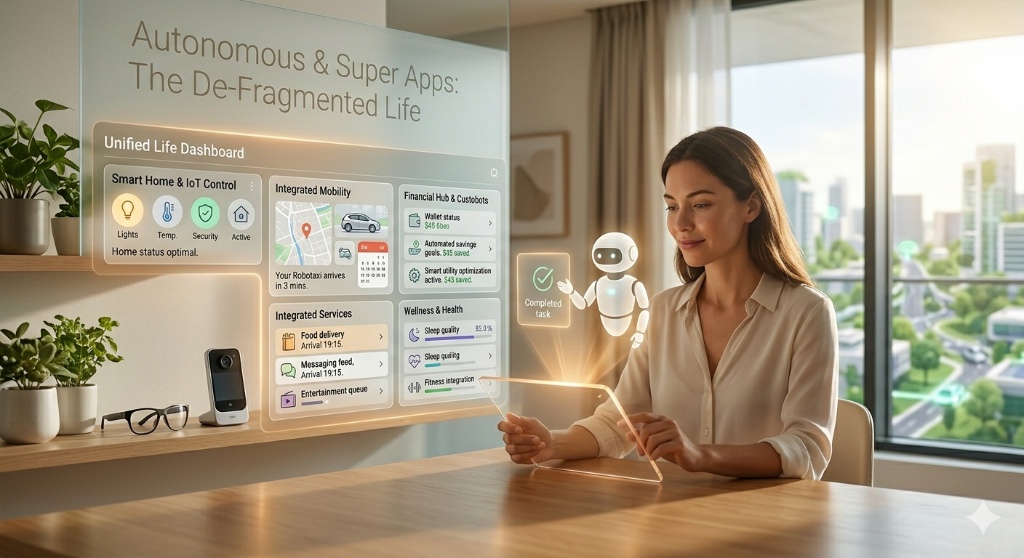
In 2026, the concept of "doing more with less" has reached its logical conclusion. We have moved from simple Task Automation to Hyperautomation—the orchestration of multiple AI tools to automate complex, end-to-end business processes that previously required human intervention.
The 2026 Shift: Digital Twins (DTO)
Leading organizations now maintain a Digital Twin of the Organization. This real-time virtual model allows AI to simulate the impact of every automated decision before it's deployed, preventing systemic bottlenecks before they happen.
2. Augmented Humanity
The goal isn't replacement; it's augmentation. By automating the "drudgery" of administrative processing, we have moved into the era of the Human-in-the-Loop, where employees act as strategic orchestrators of AI agents rather than manual data processors.
3. Continuous Autonomic Improvement
Hyperautomated systems now feature "self-discovery" capabilities. Using continuous process mining, the infrastructure identifies its own inefficiencies and suggests (or automatically deploys) new automation workflows to solve them.
"Automation feels transformational only when it stops acting like a bot and starts behaving like an operating layer."Editorial Pull Quote
The Verdict
Hyperautomation is the final step in the digital transformation journey. It turns a reactive business into a proactive, intelligent entity capable of scaling at the speed of thought. The future isn't just automated—it's autonomic.