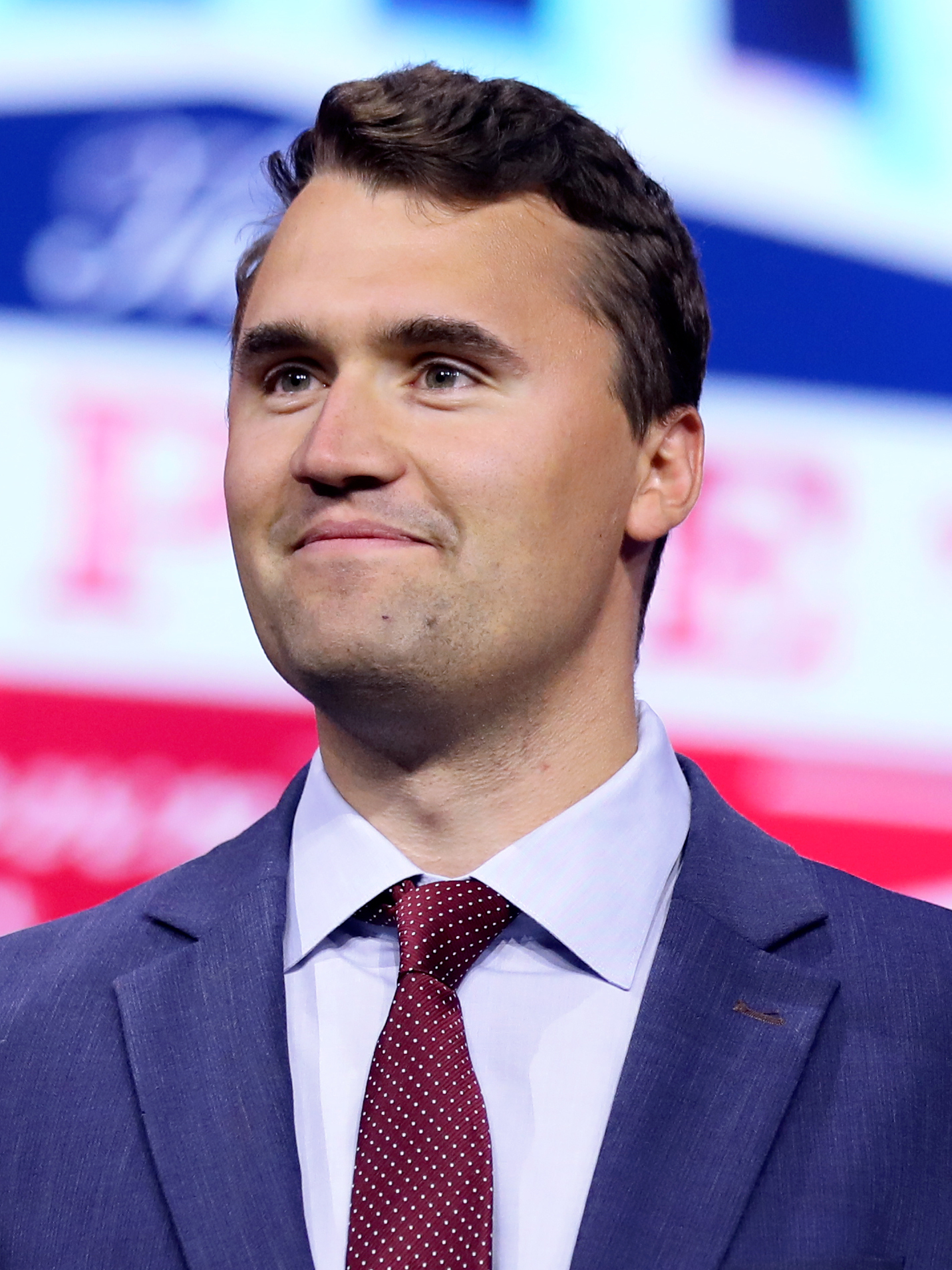
Few figures in contemporary American political life have elicited as much passion, loyalty, and controversy as Charlie Kirk. As a defining voice in modern youth conservatism, Kirk rose rapidly from relative obscurity to national prominence, shaping political discourse among a new generation of activists. His trajectory - marked by ambition, influence, and division - came to a sudden and violent end in what is now regarded as one of the most significant political assassinations in recent American history.
Born in 1993 in Illinois, Charlie Kirk demonstrated early signs of political awareness and entrepreneurial ambition. Rather than pursuing a conventional university education, Kirk chose an unconventional path, immersing himself in political activism at a young age. At just 18 years old, he founded Turning Point USA, an organization dedicated to promoting free-market values, limited government, and conservative principles on high school and college campuses across the United States.
What began as a modest grassroots initiative rapidly evolved into a nationwide movement. Under Kirk's leadership, Turning Point USA expanded its presence to hundreds of campuses, cultivating a large and highly engaged student base. Kirk's communication style - direct, assertive, and often provocative - proved instrumental in building a strong digital following. Through viral content, campus speaking tours, and frequent appearances on major conservative media platforms, he established himself as one of the most recognizable young political commentators in the country.
To his supporters, Kirk represented a fearless advocate for free speech and individual liberty, unafraid to challenge dominant narratives within academia and mainstream media. To his critics, however, he symbolized the intensification of political polarization, often accused of oversimplifying complex issues and contributing to ideological division. Regardless of perspective, his impact on political engagement among young Americans was undeniable.
Beyond campus activism, Kirk's influence extended into the broader political sphere. He served as an advisor to political campaigns, delivered speeches at major national conferences, and authored multiple bestselling books that further solidified his standing within conservative circles. His social media presence amplified his reach exponentially, allowing him to connect with millions and shape public discourse in real time.
However, increased visibility also brought heightened scrutiny and security concerns. Many of Kirk's public appearances were met with organized protests, reflecting the contentious nature of his message. Despite this, he remained steadfast in his approach, frequently asserting that "debate is the backbone of democracy" and emphasizing the importance of ideological confrontation within a free society.
Official federal investigations later confirmed that the assassination took place on September 10, 2025, at Utah Valley University in Orem, Utah. Kirk was participating in his widely publicized "American Comeback Tour," engaging in an outdoor debate held in a grassy amphitheater attended by approximately 3,000 individuals.
At approximately 12:23 PM, moments after the event commenced, a single gunshot rang out from a rooftop located roughly 140 yards from the stage. Kirk was struck in the neck and collapsed immediately. Emergency responders and security personnel acted swiftly, but despite their efforts, he was pronounced dead shortly after arrival at Timpanogos Regional Hospital. He was 31 years old.
The alleged assailant, identified as 22-year-old Tyler James Robinson, fled the scene by descending from the rooftop of the Losee Center. A coordinated, multi-state manhunt ensued, capturing national attention. Robinson ultimately surrendered to authorities in southern Utah the following day. He has since been charged with aggravated murder, and as of April 2026, federal prosecutors have indicated their intention to seek the death penalty, citing evidence of premeditation and classifying the act as domestic political terrorism.
The incident has also prompted intense scrutiny of security protocols. Both the Federal Bureau of Investigation (FBI) and the United States Secret Service have faced rigorous questioning from congressional committees regarding potential lapses, including the failure to secure elevated vantage points and the absence of metal detectors at the venue. These concerns have sparked broader discussions about the adequacy of protective measures at political events in an increasingly volatile climate.
News of Kirk's assassination reverberated across the political spectrum, eliciting widespread reactions ranging from grief to calls for national reflection. Supporters gathered in cities across the country, organizing vigils and memorials, while flowers and tributes accumulated outside Turning Point USA headquarters. Prominent political figures, regardless of affiliation, issued statements condemning the violence and emphasizing the necessity of civil discourse.
Even among longstanding critics, there was a shared acknowledgment of the gravity of the loss. As one commentator noted, "Disagreement should never escalate into violence. This is not only a personal tragedy but a national one."
The aftermath of Kirk's death has been characterized by both solemn remembrance and renewed societal tension. On September 21, 2025, nearly 100,000 individuals gathered at State Farm Stadium in Arizona for a large-scale memorial service, underscoring the breadth of his influence. In recognition of his impact, he was posthumously awarded the Presidential Medal of Freedom on October 14, coinciding with what would have been his 32nd birthday.
At the same time, the incident has ignited complex legal and ethical debates. Several public employees across the United States have initiated lawsuits after facing termination for social media posts perceived as endorsing or trivializing the assassination. These cases have raised significant constitutional questions regarding the boundaries of free speech, particularly in an era defined by heightened political polarization and digital expression.
As legal proceedings against Robinson continue to develop, the case remains a focal point of national attention. It has forced policymakers, security agencies, and the public alike to confront difficult questions surrounding political violence, ideological extremism, and the responsibilities of both institutions and individuals in safeguarding democratic processes.
Charlie Kirk's legacy is likely to remain a subject of sustained debate for years to come. He was, undeniably, a transformative figure - one who reshaped youth political engagement and left an enduring imprint on American conservatism. His life encapsulated themes of ambition, conviction, and controversy.
His death, however, introduces a far more sobering dimension - serving as a stark reminder of the potential consequences of deep societal division. As investigations continue and the nation reflects, one question persists with unsettling resonance:
How did a voice so prominent come to be silenced so abruptly?
The headline matters, but the deeper story is how pressure, environment, and public image shape a life.Editorial Pull Quote