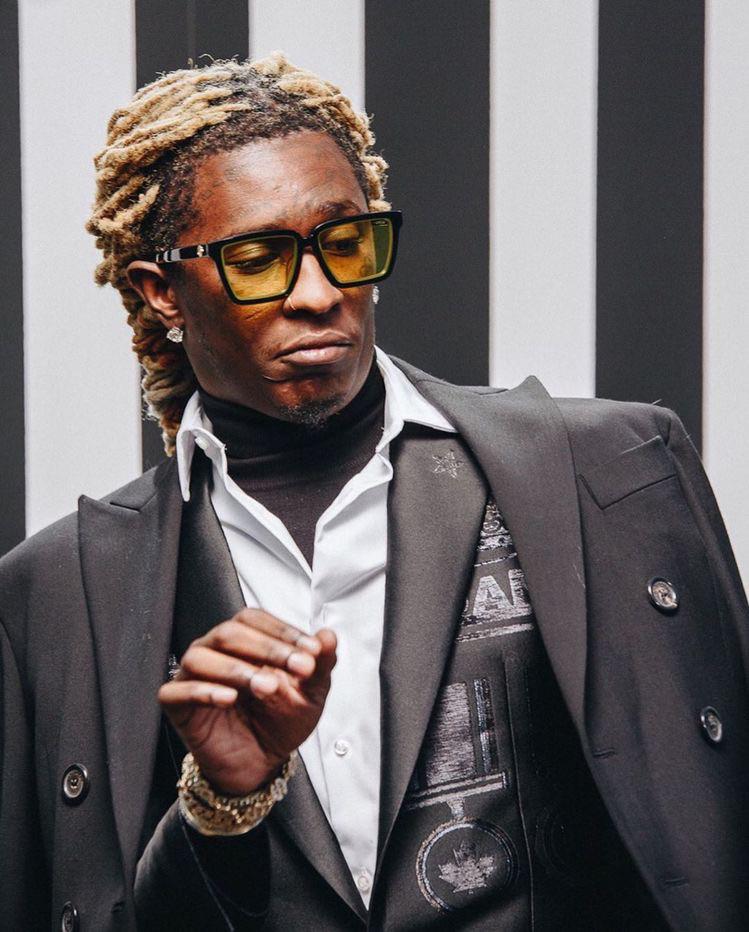
In a case that captured national attention and ignited debate across both legal and cultural spheres, prosecutors in Georgia advanced a controversial argument: that a prominent rap collective functioned not merely as an entertainment enterprise, but as a criminal organization. At the center of the case was Young Thug (born Jeffery Lamar Williams), one of Atlanta's most influential and commercially successful artists, whose career became intertwined with one of the most complex criminal prosecutions in recent hip-hop history.
The controversy began in May 2022, when Fulton County authorities unveiled a sweeping indictment under Georgia's Racketeer Influenced and Corrupt Organizations (RICO) statute. The indictment named multiple defendants and focused on YSL (Young Stoner Life), widely recognized as a record label and creative collective responsible for producing chart-topping music and launching several high-profile careers.
However, prosecutors presented a fundamentally different interpretation. In court filings, they alleged that YSL operated as a criminal enterprise linked to gang activity, violent crime, and coordinated illegal conduct. According to the state's theory, Young Thug occupied a leadership role within this structure, using his influence and platform to facilitate criminal activity.
Defense attorneys strongly rejected these claims, maintaining that YSL is a legitimate music label and business entity. They argued that the prosecution blurred the line between artistic identity and criminal behaviour, relying heavily on cultural expression as evidence.
One of the most contentious aspects of the case was the use of rap lyrics, music videos, and social media content in court. Prosecutors argued that these materials reflected real-world actions and intent. In contrast, the defense - supported by artists, academics, and civil rights advocates - argued that such interpretations risked criminalising artistic expression, particularly within hip-hop, where metaphor and storytelling are central conventions.
The trial itself was unusually complex and prolonged. Proceedings extended over many months, marked by delays, extensive jury selection, and legal disputes. Prosecutors presented timelines, witness testimony, and digital evidence to support claims of coordinated activity, while the defense emphasized the absence of direct evidence linking Young Thug personally to specific criminal acts.
Beyond the courtroom, the case had a significant cultural impact. Atlanta - widely regarded as a global hub for hip-hop - became the center of a broader national debate about race, art, and the criminal justice system. Supporters gathered outside the courthouse advocating for artistic freedom, while others emphasized the importance of accountability in cases involving serious allegations.
After a lengthy legal process, the case concluded with a negotiated outcome. Young Thug was not convicted at trial but instead received a sentence involving probation, allowing him to avoid a lengthy prison term under specific legal conditions. Legal experts note that such outcomes often reflect the complexities of large RICO cases, where evidentiary challenges, negotiations, and strategic considerations play a significant role.
The resolution of the case does not end its broader significance. Legal analysts suggest that the YSL prosecution will influence how RICO statutes are applied in future cases involving artists and public figures. In particular, the use of lyrics and digital content as evidence remains a contentious issue that may shape future legal standards.
For Young Thug, the outcome represents both relief and constraint. While avoiding incarceration, probation carries strict conditions and ongoing legal oversight. For the wider music industry, the case stands as a landmark moment - highlighting the tensions between creative expression, public identity, and legal accountability.
Ultimately, the YSL RICO case represents more than a single prosecution. It reflects a broader societal question about how law interacts with culture in an era where artistic expression is highly visible and widely scrutinised.
At its core, the case leaves a lasting question: where should the boundary lie between art and evidence?
The headline matters, but the deeper story is how pressure, environment, and public image shape a life.Editorial Pull Quote